Movies
2026
The small-town charm and childhood innocence portrayed serve as sleight of hand as the movie manages to take a self-contained story of a son looking for his father and use it to tell the story of an entire diaspora in Manipur.
The movie felt like a stream of vignettes stitched together; the plot is thin by design as the movie focuses on everything that is attendant to war than war itself. The brutality of war (devastated infrastructure, looting, snap-deaths etc.) are shown but you see it from the reporter-lens of the correspondents - it's sterile, stripped of consequence and emotion. Ultimately, the movie worked best for me as a critique of the carrion-feeding nature of creatures created by war; by focusing on its second-order effects and side-stepping the 'issues' generating conflict, Alex Garland achieves something that's not necessarily profound but is deft and intentional.
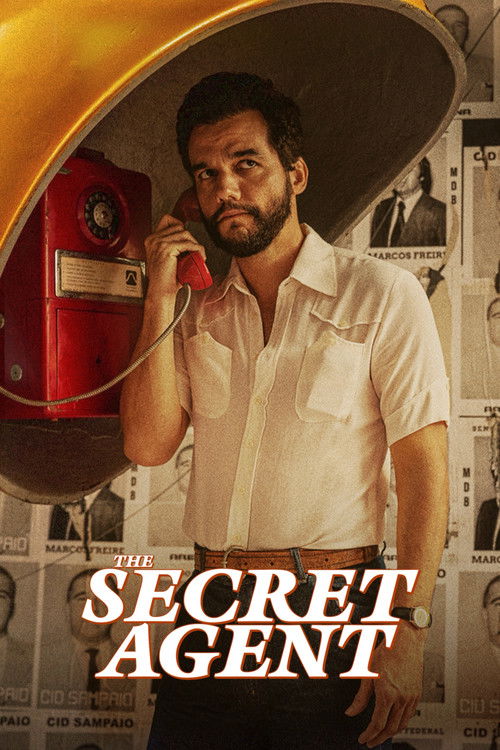
The Secret Agent is disjointed, chaotic, fleetingly explained - and is all the better for it.
In its telling of a corrupt state, even a corrupt time (the military dictatorship in Brazil extended for over 20 years), it presents a series of contrasts: you're intermittently lulled with the humdrum reality of a rotten administration, before a frenzy hits and you're reminded that the stakes have always been life-and-death. You also oscillate similarly between numbness as the loss of life is initially presented as a statistic, only for the true weight of lost memory and misplaced generations to make itself felt later.
TSA does not do much by way of exposition and I felt lost for some portion of the run time. This begins to make sense when you consider that the director's last movie - *Pictures of Ghosts* - is also set in the Brazilian city of Recife (also where the majority of TSA plays out) and is a melancholy retrospective of his childhood through the lens of the cinema halls he once visited. In this context, you realise that the movie here is a lament by a son of Brazil, confusing and abrupt only because it's but a page, one torn out of the larger story of a lost country and its emotionally displaced people.
The Secret Agent
2025
4/5
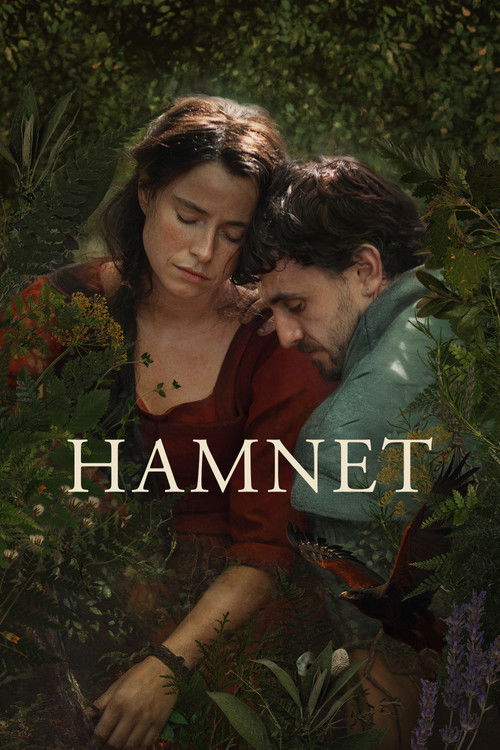
Much like the play itself, Hamnet establishes a mood by invoking the supernatural and the arcane. The woods are sinister, there are secret compacts with plants and roots, the river has a mind of its own, and a pet is also a guide into the nether realms. The movie must necessarily centre around the Bard and his creation, but it's his betrothed Agnes who serves as the primary vehicle for the movie's meditations on life and loss. Agnes is introduced to us as the daughter of a witch. She holds Will's hand and reads entire landscapes. She even rushes to the woods to give birth to their first child. When she is stopped from birthing in the woods later in the movie, the river comes to her - it's clear that she has a commune with the supernatural. Yet, it is Agnes who serves as the everyman - her torment and pain is capable of being understood, Will's tribulations are of a different breed, removed from our mortal plane of reason. You wonder where the movie is leading for most of its runtime until it comes together in a staggering denouement; 'to be or not to be' has served as a clarion call for existential dread, but here it serves as the cathartic key freeing Agnes, and maybe, even William.
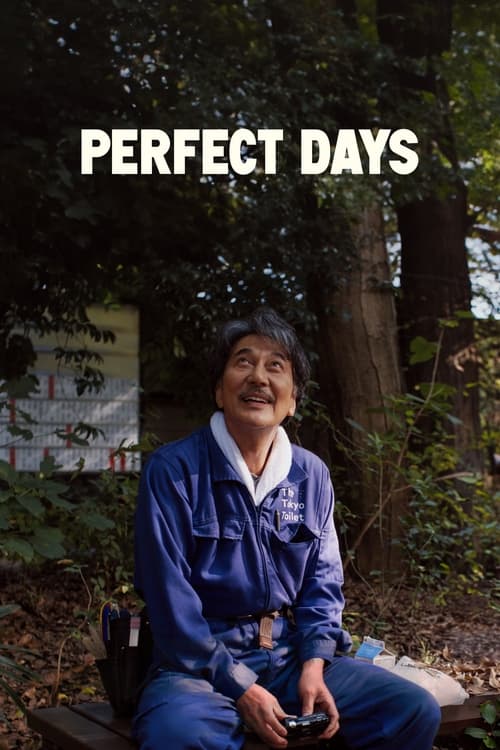
Perfect Days could be viewed as a pronouncement on a life well-led, simply. It lulls you into a false sense of security, then deconstructs its central premise only to bring it back with manifold strength.
The first hour settles you into Hirayama's routine as he begins each day looking up at the sky with a smile that's not expectant, proceeds to lose himself in his menial labour, savours his lunch next to a 'friend-tree',and enjoys a drink and bite at a local eatery to mark the end of another day. Hours stack into days into weeks and you see how he's carefully constructed his world - one world amongst the "many worlds" he theorises to exist. You see a man who seems to have escaped the trappings of daily life; depending on your disposition, you view him as evolved or escapist.
You often catch Hirayama take a pause and watch the play of light through the trees (the motif of Komorebi is ever present) or that of reflections and shadows that mirror the world around him in secret ways to which only he is privy. You also see the construction of his perfect day - moments captured via an analog camera, music played via cassettes, paperbacks read under a lamp - he moves in lockstep with his routine, an extension of himself.
This routine is then juxtaposed against a peek into his past (as his niece shows up, bringing him to face with his sister and the painful memories of a parent present but lost), and his routine is also challenged. Hirayama is man fully immersed in the present - "now is now, next time is next time" - an element of suspense is introduced as you see his anxiety in being pulled out of the moment and you wonder, how will he cope?
You can interpret the closing montage differently, but my take is that this crisis only reinforces his deep love for life, in that it forces him to confront where he's 'given up' (the escapist notion) and also embrace all the aspects of his life that lead up to him waking up and exiting his house with a smile each day.
PS: Notes on the cinematography and the OST/books:
The aspect ratio is a boxy 4:3 which seems portrait-like and offers a closed and intimate perspective on Hirayama's day - his mindful focus on the moment extends into what the viewer sees on the screen.
Hirayama reads Faulkner, Natsume Soseki, and Patricia Highsmith. I suspect these are deliberate choices - the bookkeeper references Highsmith knowing more about anxiety than anyone else when Hirayama purchases a book by her.
The OST is a perfect mirror to Hirayama's state of mind through the movie. The movie begins slowly (matching the pace of an early morning) and the van speeds up as House of the Rising Sun starts playing. The other songs are similarly evocative with turns by Patti Smith (Aya's rebelliousness), Velvet Underground (melancholy love), Otis Redding (wistfulness).
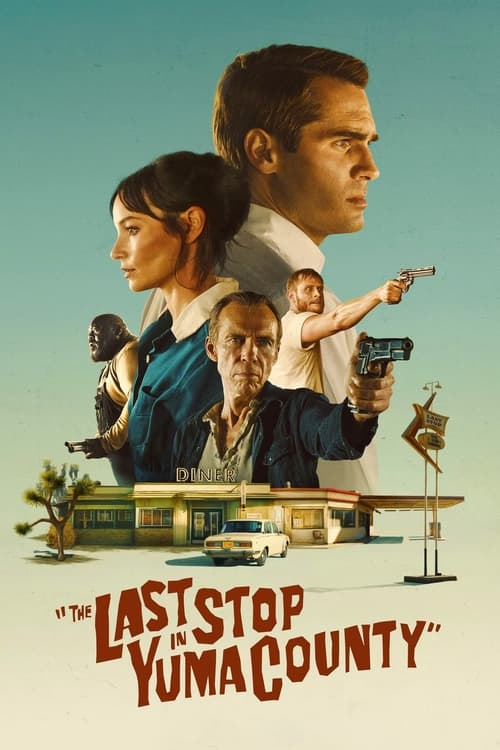
Tense and brutal. Helped by a haunting OST and strong performances from the entire cast.
Great indie flick that breaks its suspense a little too early for it to transcend its own limitations.
The Last Stop in Yuma County
2023
3/5
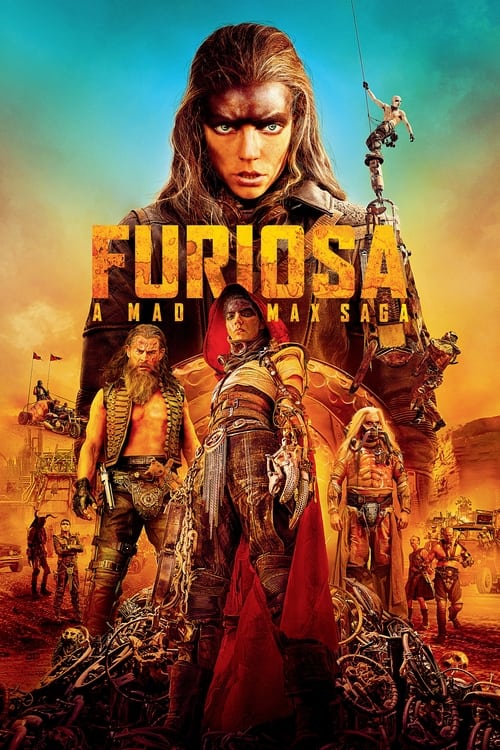
Watched this before Mad Max. Deadly combination of an origin story + stellar worldbuilding (dieselpunk) + the set pieces (which trump MM for me).
Furiosa: A Mad Max Saga
2024
4/5
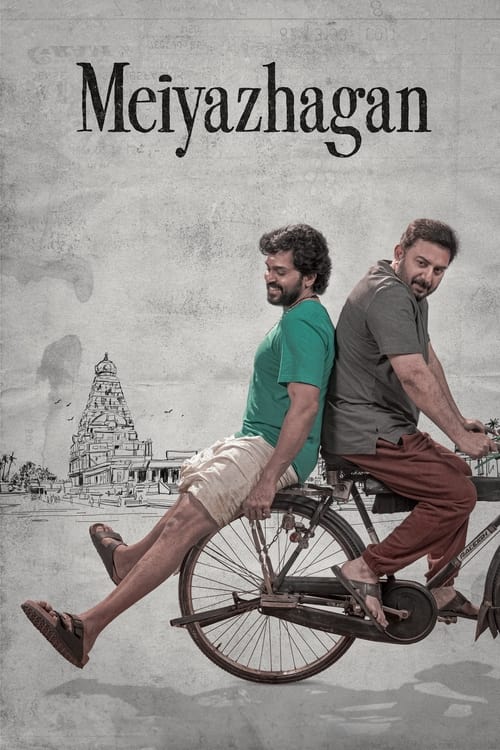
Stunning; in less capable hands, this would've devolved into a feel-good story on a discontented man reconnecting with his roots, but the question of the protagonist's identity adds an element of intrigue that keeps the viewer guessing throughout, and by the end you realise that the mystery itself is trivial relative to the movie's message of unqualified love and affection for all and sundry. Life affirming in the best way.
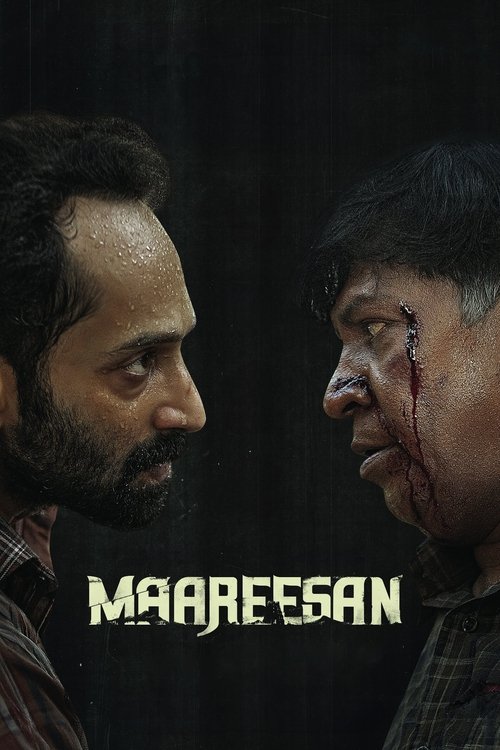
Unfortunately, the movie failed to live up to its early promise and the tonal shift midway left me with a sense of whiplash.
For a family drama, the movie is exceptionally restrained. What could have been a dialogue is often a single word, if not a glance or a pause. A lesser movie dealing with similar themes would have built towards a cathartic crescendo; here, the climax is scalpel-like, burrowing deep and surgically removing the rot that has rooted itself in the characters, their relationships, and their home (quite literally).
There is the element of synecdoche here with the film within the film, the climax within a climax. Skarsgard's character also rewrites the past with his mother, and it ripples into the present with his daughter; here you get the sense that time and experience is malleable, always capable of being tinkered with.
All the actors are phenomenal. Stellan Skarsgard's character is a set of walking contradictions: paternal yet distant, placid yet explosive, charismatic but withdrawn - still water with a roiling seabed. Elle Fanning can really act; tongue-in-cheek to have her play the movie star. Renate Reinsve is transcendental as the daughter; there's a quiet violence to her performance and you truly believe she's her father's daughter. Inge Lilleas is also a great foil as her sister.

Sentimental Value
2025
4/5
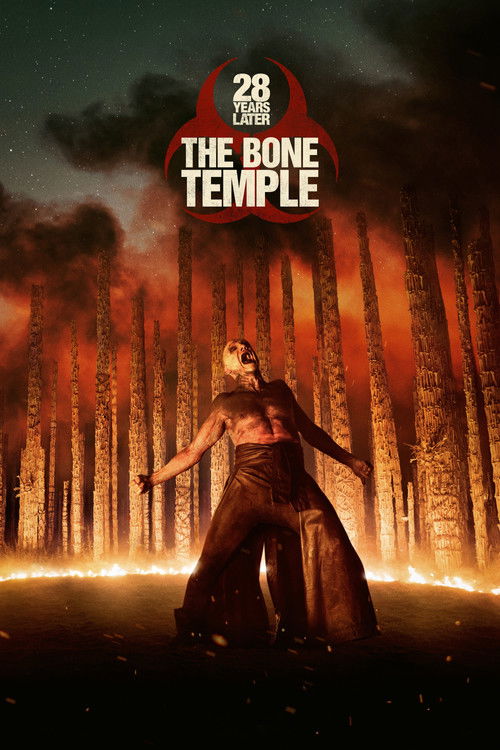
The Bone Temple is excellent; the plot here is skeleton-thin, but more impactful for the same. The tonal shifts and sub-plots that put me off the prequel are the strengths of the movie here, largely owing to the star turns by the two leads - Jack O'Connell and Ralph Fiennes. I knew JoC only via reputation but he's undeniable here. RF puts in an all-time performance.
For a zombie movie, this is also surprisingly feel-good. It's tough to find a fresh take on a zombie movie in 2026 but TBT manages.
28 Years Later - The Bone Temple
2026
3.5/5
What should've been saccharine and cloying is instead wholesome, sweet with a tinge of melancholy. There's an element of sleight of hand here as you contemplate absence, loss, and yearning only to realise what you're watching is instead an ode to companionship, presence, and love.
There are some neat parallels and rug-pulls. The fake funeral at the beginning, and the one at the end. The main proprietor's rental family.
The scene at the end where Brendan Fraser crosses the barrier and sees himself in a mirror swells the heart. Fraser has this sadness in his eyes that can only come from having lived it but he plays his role here with a lot of grace and humour, elevating a role that could've otherwise been by the numbers.
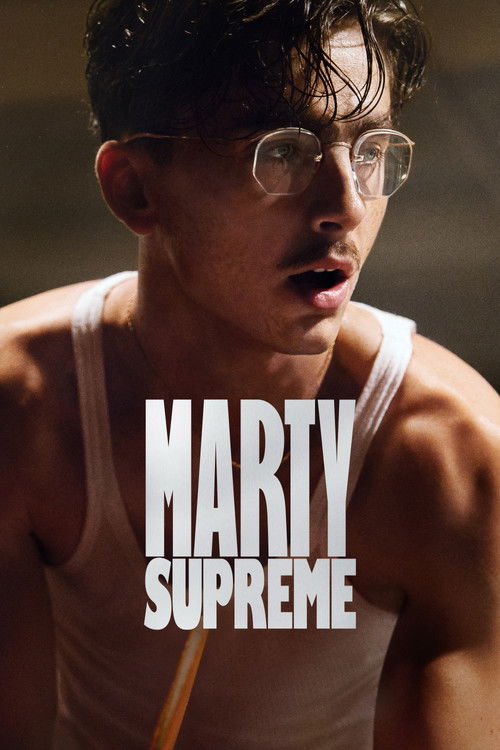
Didn't grab me like UG but the same Safdie hijinks are present here as well. Music and casting were the highlights for me.
Unlike the other Safdie protagonists, Marty isn't a fundamentally bad person. He's similarly conniving and narcissistic but you truly believe he's doing it for a higher purpose. By the time the end credits roll, he's had his pyrrhic victory, and is ready to go beyond himself.
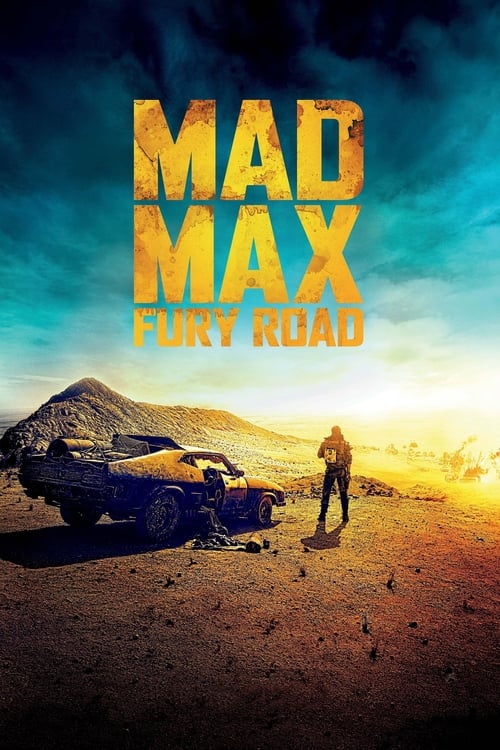
Enjoyed the set-pieces in Furiosa better. Also biased because I am partial to origin stories and saw Furiosa first.
Mad Max: Fury Road
2015
3.75/5
A will-they won't-they that leaves you guessing till the end.
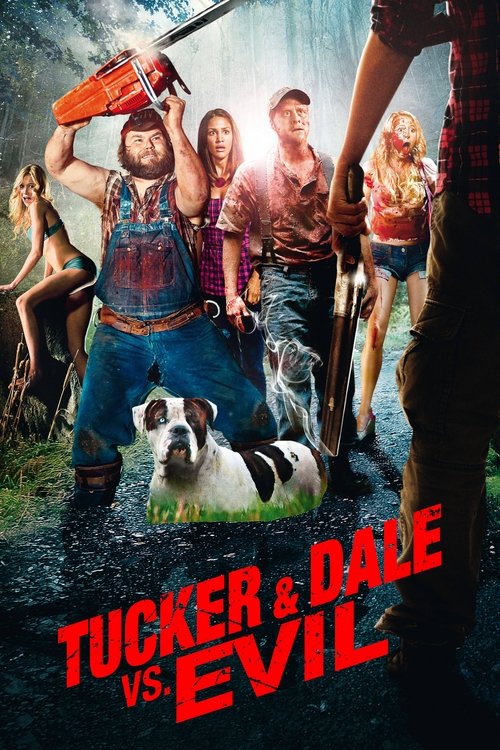
Loved the classic Sam Raimi flourishes like with the wild boar cam-chase. Horror has no business being this funny.
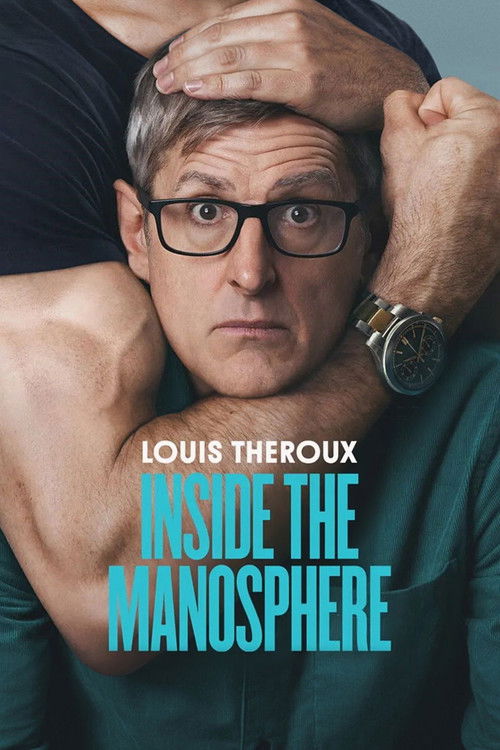
The manosphere cultists here are poor sparring partners for Louis Theroux. The visceral thrill of watching dangerous beasts from afar is undercut once you see them tripping on their own arguments and realise the shallow intellect and petty minds that are the bedrock of their grift. I agree with The Guardian's view that the documentary falls short in showing the deleterious effects of the manosphere cult, whether on the psyche of young men (á la Adolescence) or with regard the economic exploitation of young men and women.
Louis Theroux: Inside The Manosphere
2026
3/5
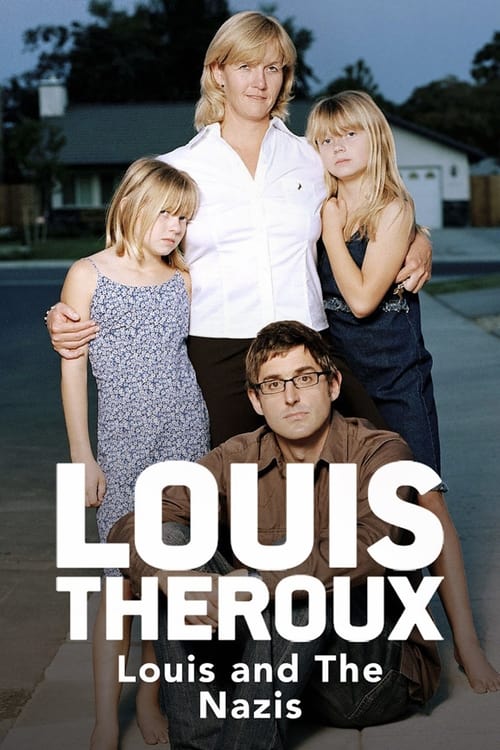
Louis spends time with "the most dangerous racist in America" and explores the white supremacist subculture. Louis manages to remain curious of what prompts their extreme world views while also giving no quarter in exposing their hypocrisies. It's hard not to feel a great sense of admiration as Louis refuses to divulge whether he is Jewish while in the home of an increasingly infuriated skinhead family. Surprisingly poignant and almost always funny.
Louis and the Nazis
2003
4/5
Manages to turn an entire genre on its head while remaining self-referential and campy.
Tucker & Dale vs. Evil
2010
3.75/5
Paper-thin plot that's saved by the good graces of its immensely likeable cast.